02Sectors

Six sectors.
One procurement function.

From multi-residential and commercial to mining and resources — Onyx Supply Co builds the procurement function around the sector's logistics, certification, and program requirement.

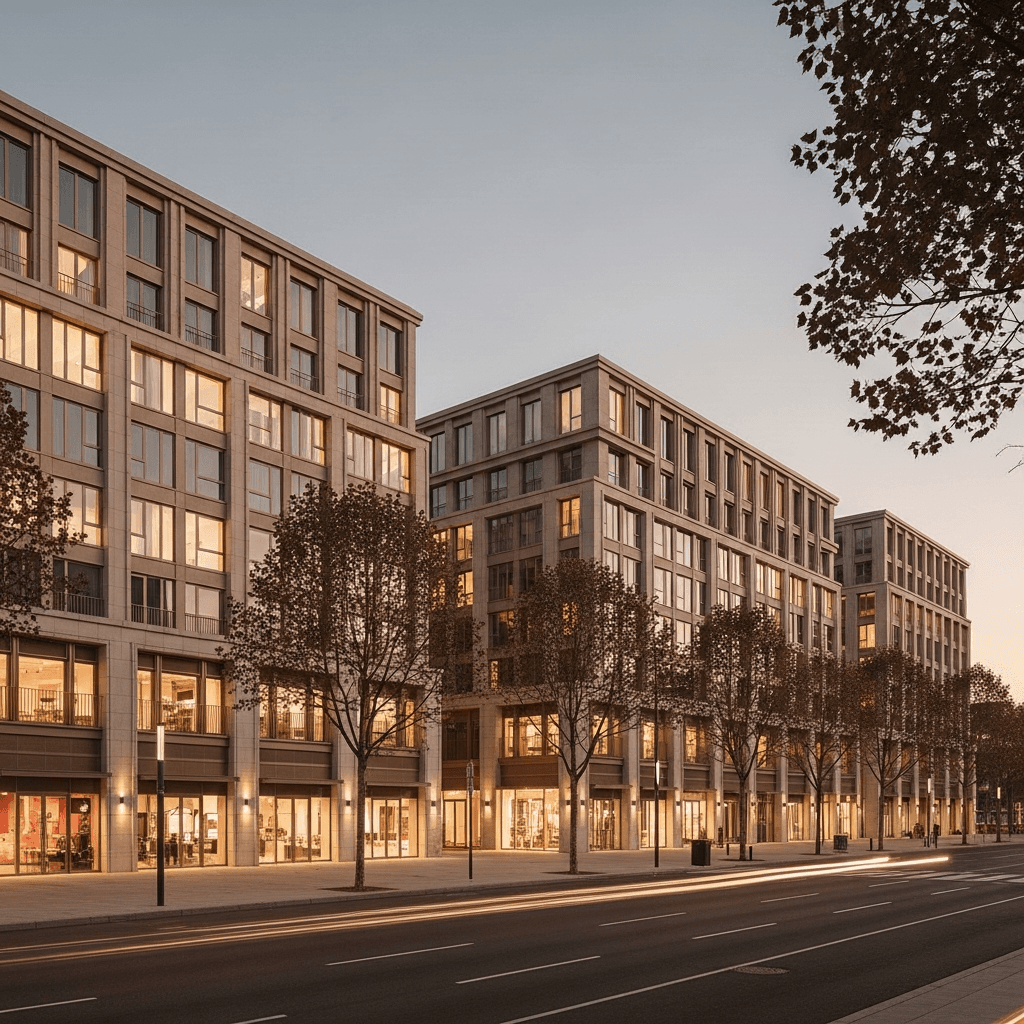
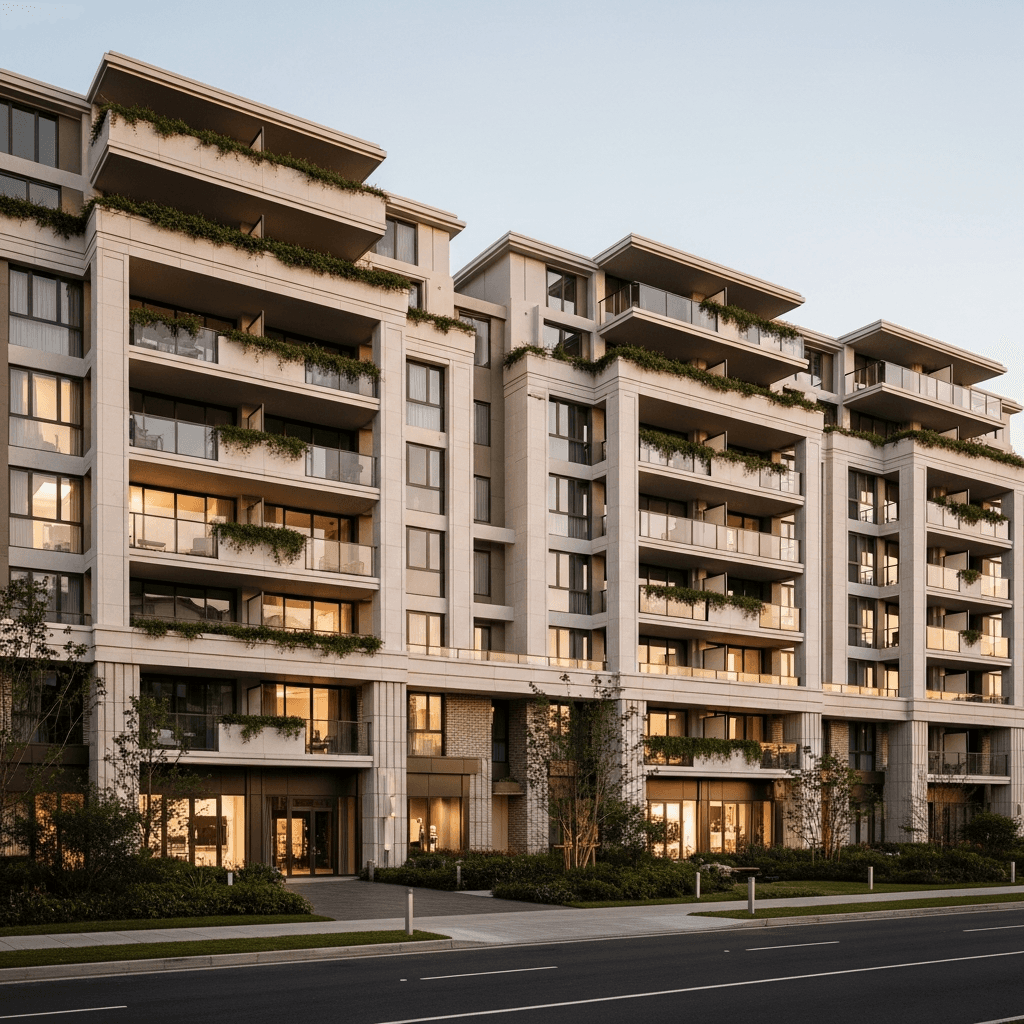
Multi-residential developments
01
01Sector

Multi-residential developments

The challenge

Per-unit cost compounds. Joinery, benchtops, fixtures, and FF&E specified once but procured fifty, a hundred, two hundred times.

Apartment buildings, townhouse developments, and stacked townhome projects across mid-tier scale. The defining commercial reality is multiplication: every dollar of cost-per-unit becomes thousands of dollars across the project, and every fragmentation in supply becomes weeks of program drag.

Onyx engages early — typically before final specification is set — and runs a value-engineering pass against the unit-mix matrix. Joinery, benchtops, tapware, sanitaryware, and tiling get procured as a single coordinated package with batch matching across staged unit deliveries. The cost saving is structural; the program benefit is just as important.

We work with developer-builders carrying their own developments and with mid-tier contractors delivering for third-party developers. The commercial structure adapts — the procurement function is the same.
Commercial offices & fit-outs
02
02Sector

Commercial offices & fit-outs

The challenge

Tenant-driven program pressure. Specifications evolve through the build, and on-site warehousing kills net usable area.

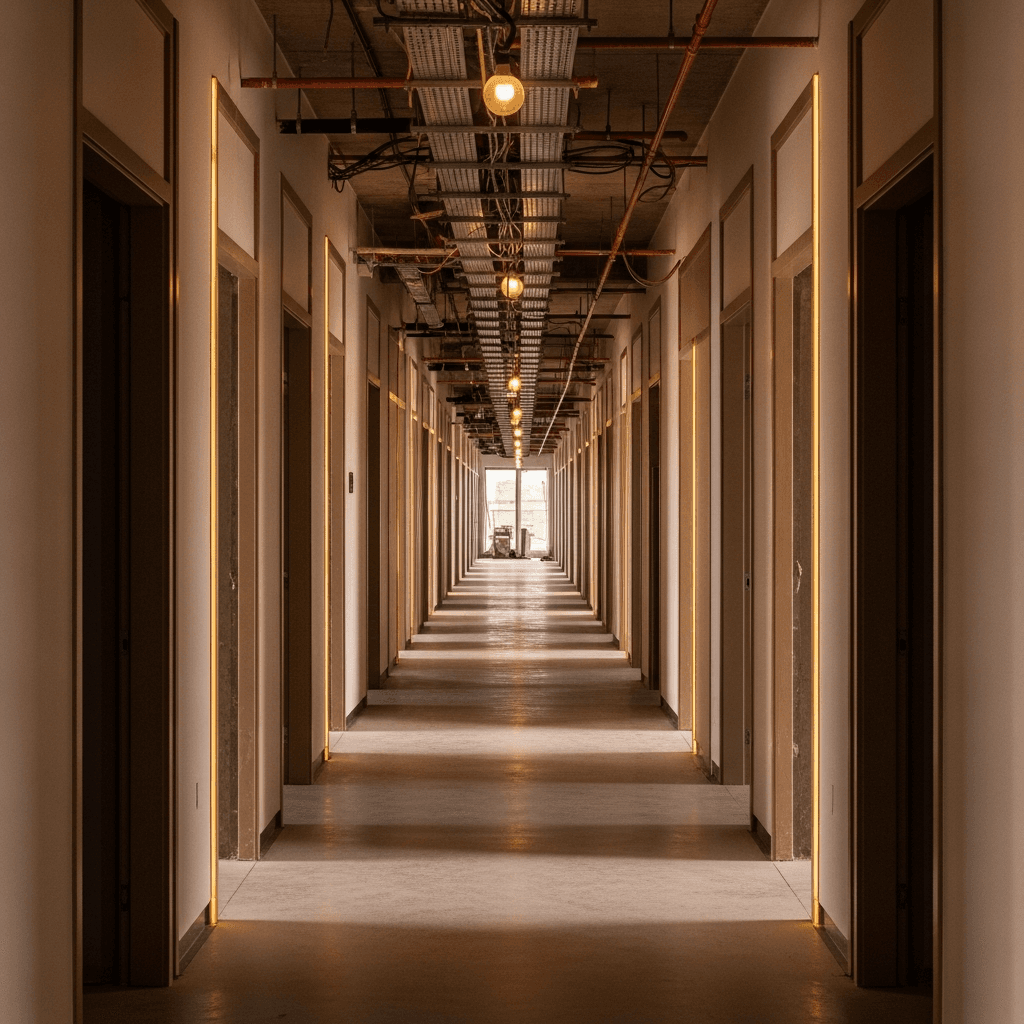
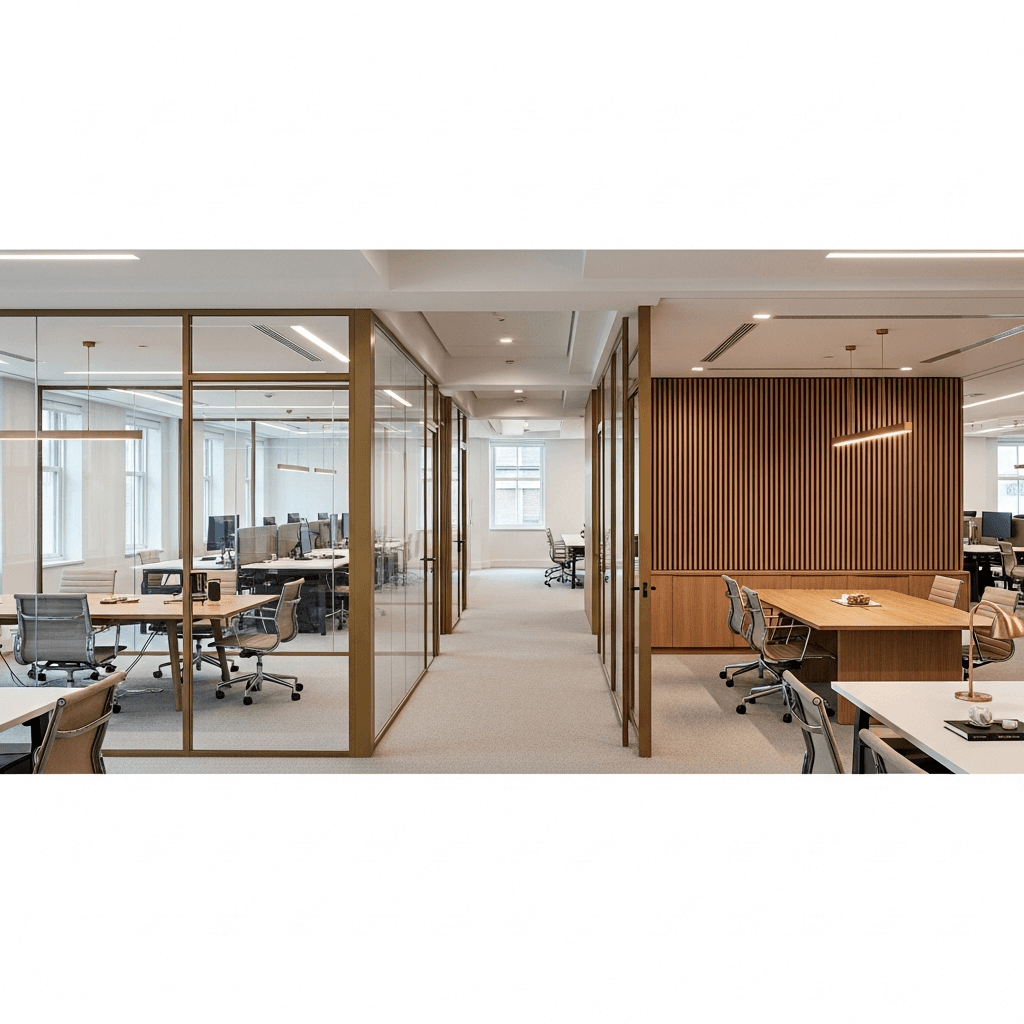
Office fit-out, base-build, and major refurbishment. The dominant operational pressure in this sector is program — tenant move-in dates are commercially fixed, and any procurement delay either compresses fit-out or slips the lease commencement. Both outcomes have direct dollar consequences for the developer or head contractor.

Our model is sequenced just-in-time delivery integrated with the fit-out program. Joinery, glazing, partitioning, ceiling, and FF&E packages land floor-by-floor as each level is ready — not in a single unloading event that consumes site storage and drags fit-out for weeks. Specification evolution through tenant negotiation is accommodated up to the production cut-off rather than treated as a procurement-breaking event.

For tenant-driven fit-outs we run a parallel package against the tenant brief and the head-lease specification — two-track procurement that resolves the gap between as-built base condition and as-leased fit-out specification.

Industrial developments
03
03Sector

Industrial developments

The challenge

Cost-per-square-metre is the only metric that matters. Spec is performance-led, but every dollar of premium kills feasibility.

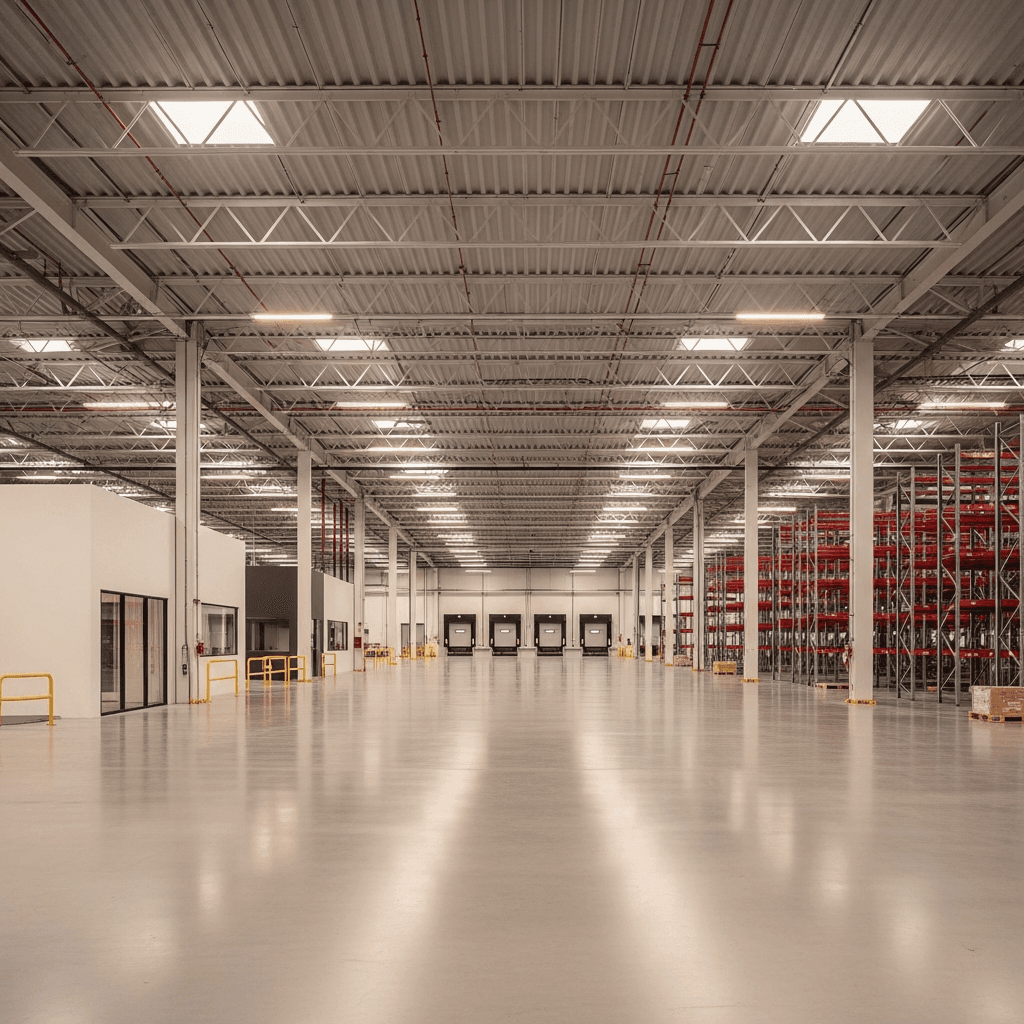
Warehouses, distribution facilities, light industrial buildings, and the ancillary office and amenity accommodation that sits inside them. The defining commercial requirement of this sector is cost-per-square-metre — the project either feasibly meets the developer's yield target or it doesn't, and procurement is the largest variable input.

Cladding, panel systems, doors, hardware, fixtures, and the office/amenity fit-out get procured against fit-for-purpose specification — performance, durability, and certification specified to the actual operational use, not to over-engineered architectural defaults. Direct procurement on industrial-grade aluminium, panel, and door systems routinely lifts the feasibility metric by a meaningful margin without compromising any performance requirement.

Industrial buyers are commercial buyers. We talk in dollars per square metre, lifecycle replacement cost, and operational durability — not in finish-level aesthetics that don't drive the asset's economics.

Mixed-use projects
04
04Sector

Mixed-use projects

The challenge

Multiple specifications running in parallel. Without one procurement function, the project fragments trade-by-trade.

Combined residential, retail, and commercial buildings where two or three different specifications, finishing standards, and program sequences run in parallel under a single project structure. The procurement complexity is non-linear: the matrix of who-needs-what-when is the dominant project-management problem, not the construction itself.

Onyx treats mixed-use as a single procurement program with a unified specification matrix. One logistics function holds the sequencing across building types. Residential FF&E lands when the apartments are weather-tight. Retail tenancy fit-out lands when the lease is commencing. Commercial floor delivery aligns with each tenant's signed move-in date. The unfinished components are held back without project-side warehousing penalty.

The alternative — running parallel procurement chains for each building component — has been the source of more mixed-use project budget overruns than any other single factor. We don't run mixed-use projects that way.

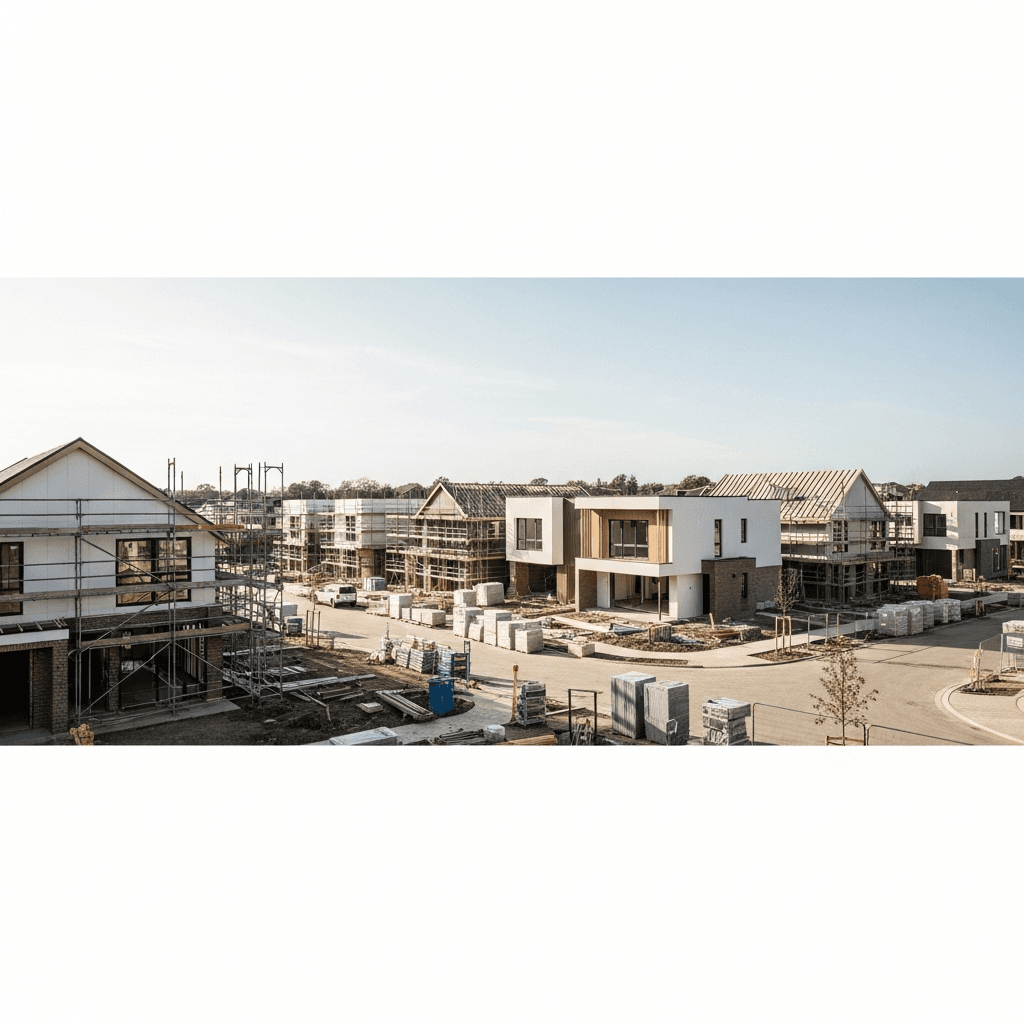
Volume builder programs
05
05Sector

Volume builder programs

The challenge

Per-unit cost compounds across the program. Master-spec discipline either delivers volume economics, or doesn't.

Multi-development pipelines where the same specification is delivered repeatedly across sites and stages. The volume builder commercial reality is about three things: per-unit cost discipline, repeatability of supply, and fail-safe execution that doesn't depend on individual site-level procurement decisions.

Our volume programs run a master specification with controlled variation, locked-in pricing across the pipeline (typically 24-month forward agreements), and site-by-site sequenced logistics. The same kitchen lands in the same configuration with the same hardware in the same finish across every dwelling in the program — and the saving against ad-hoc per-site procurement compounds across the whole pipeline.

We onboard volume programs with a master-spec workshop — typically two to three days with the builder's design and procurement leadership — and the output is a controlled-variation specification matrix that becomes the procurement contract for the program duration.

Mining & resources
06New focus area
06Sector

Mining & resources

The challenge

Remote-site logistics, certification compliance, and durability over a long asset lifecycle. The procurement model must hold all three.

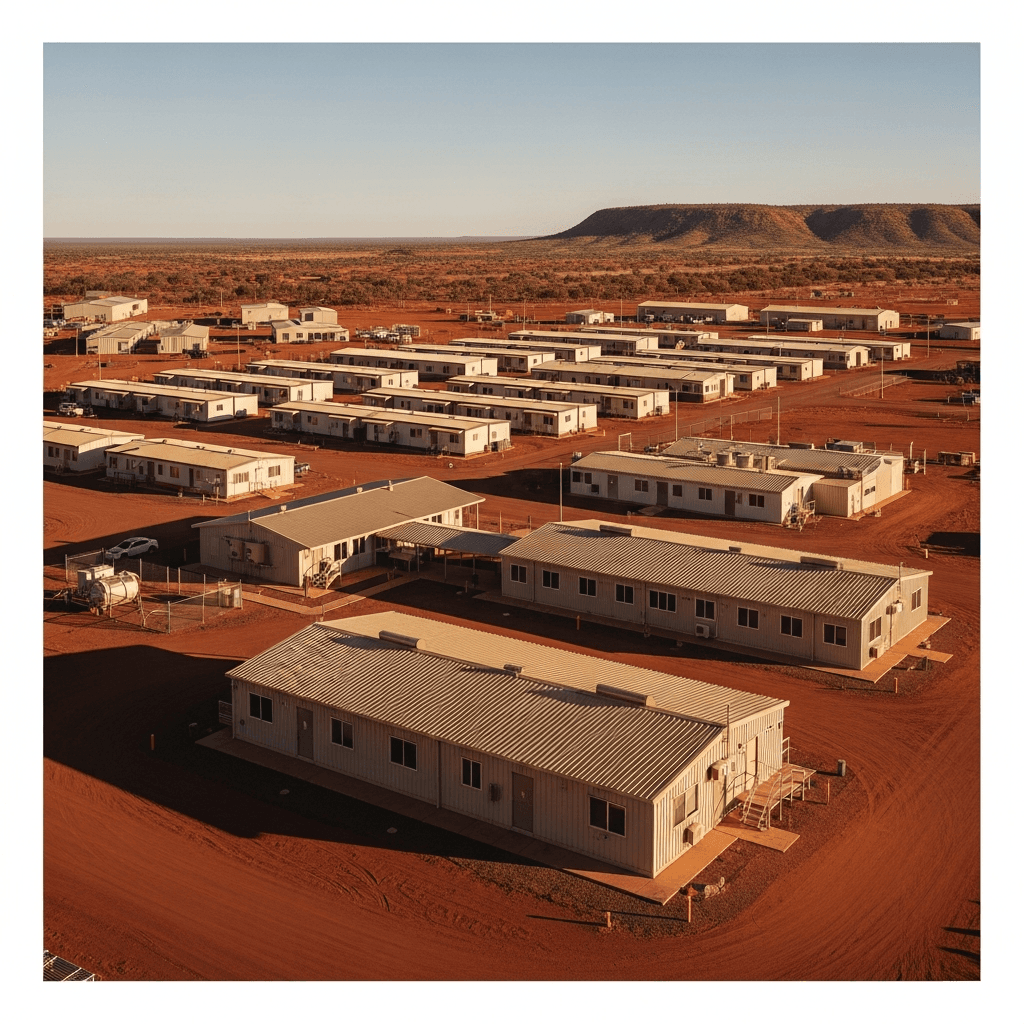
Mining camp accommodation, site-office complexes, modular building packages, and full fit-out for mining and resources sector projects. The procurement environment is unlike any other sector — remote-site logistics with limited final-mile transport options, certification regimes (mining safety, electrical, fire) that exceed standard NCC requirements, and asset lifecycles that span multiple decades on contract or lease.

Durable, certifiable, transportable. We build the procurement function around the project's actual operating context: modular packages designed for transport access constraints, fit-out specifications engineered for the durability the lifecycle requires, and certification managed at the manufacturing stage so site delivery doesn't trigger compliance scramble.

Onyx is positioning purpose-built capability for the large-scale fit-out and accommodation procurement that resources sector projects need. From single-site office buildings through to multi-hundred-bed modular accommodation pipelines, we build the procurement function around the project's logistics, certification, and program reality — not the residential model translated badly.

Sector-fit Procurement

The right procurement function
fits the sector.

Multi-residential isn't industrial. Mining isn't commercial. Volume builder programs aren't single-asset projects. Onyx builds the procurement model around the sector — not the other way around.

Discuss Your Project