Brisbane's Construction Boom: Opportunity and Risk for Developers
RLB has Brisbane as the national escalation hotspot for 2026, with the Gold Coast close behind. There's a 6–12 month window — and a clear playbook for developers ready to use it.
Onyx Supply Co
Editorial · Procurement Desk
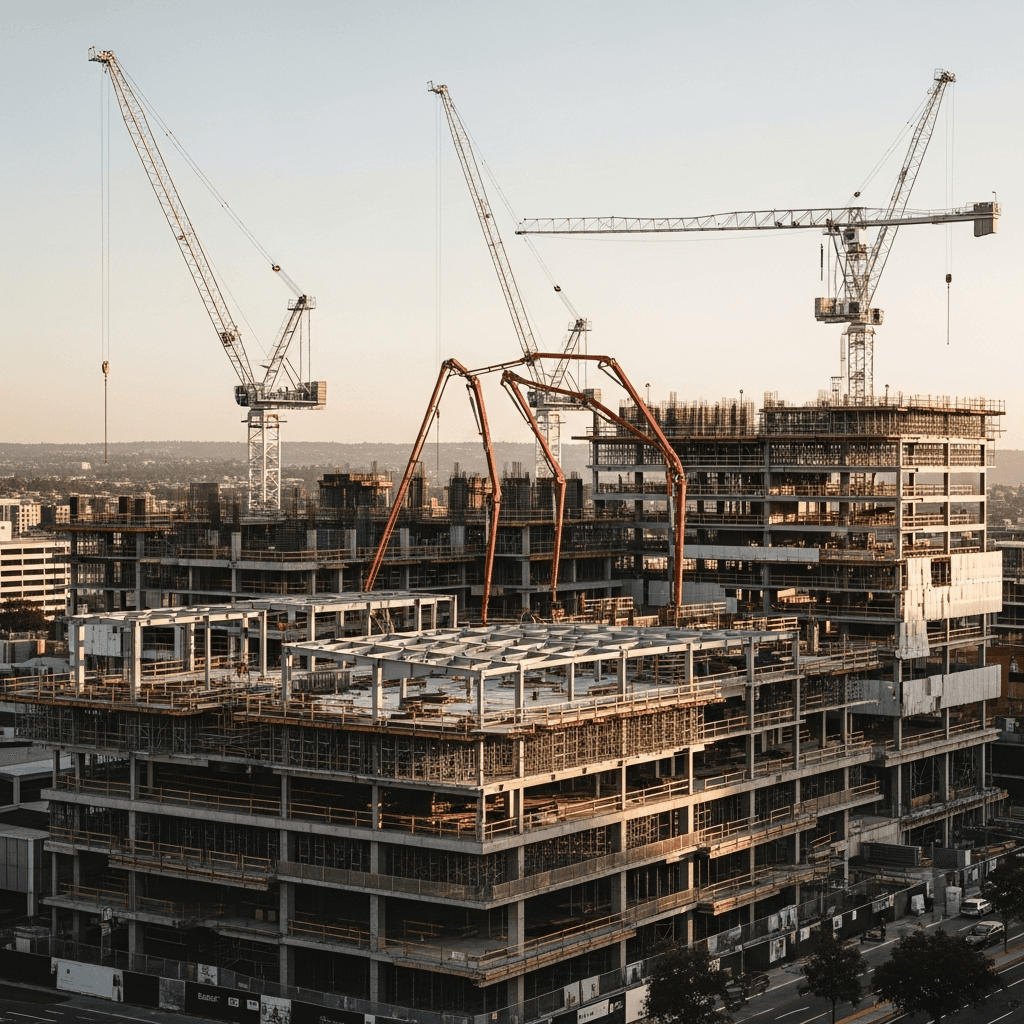
Brisbane has become the most-watched construction market in the country for 2026, and the reason is simple: the numbers are running hotter than anywhere else. Rider Levett Bucknall's 2026 forecast puts Brisbane cost growth at around 5 per cent, with the Gold Coast at 5.5 per cent — the top of the national range and a clear separation from Melbourne and Sydney, both of which are tracking lower.
The driver is well understood. Olympic-related works — venue construction, transport infrastructure, accommodation pipelines, and adjacent developer activity — are intensifying competition for labour and materials in the same regional market. The result is the classic capacity-constrained boom: rising input costs, lengthening lead times, and a growing premium on builders and developers who have their procurement disciplined ahead of the squeeze.
The window RLB called out
The most useful framing in the RLB 2026 report wasn't the headline number. It was the window: a 6 to 12 month period before Olympic-adjacent capacity tightening fully absorbs available trade and material supply. Projects that secure their packages within that window — at current pricing, with supply locked in — are positioned to ride the cycle. Projects that defer procurement into the back half of the cycle will be exposed to the full escalation curve.
For developers, this is a planning question more than an execution question. The decision is not whether to procure differently — it's whether to bring procurement decisions forward into a window where price and capacity still favour the buyer.
What 'lock in' actually means
Locking in supply isn't the same as signing a sub-trade contract. A sub-trade contract is a price agreement with a counterparty whose own input costs and labour exposure are subject to the same escalation pressures. In a tightening market, the counterparty risk on those contracts rises with the cost curve.
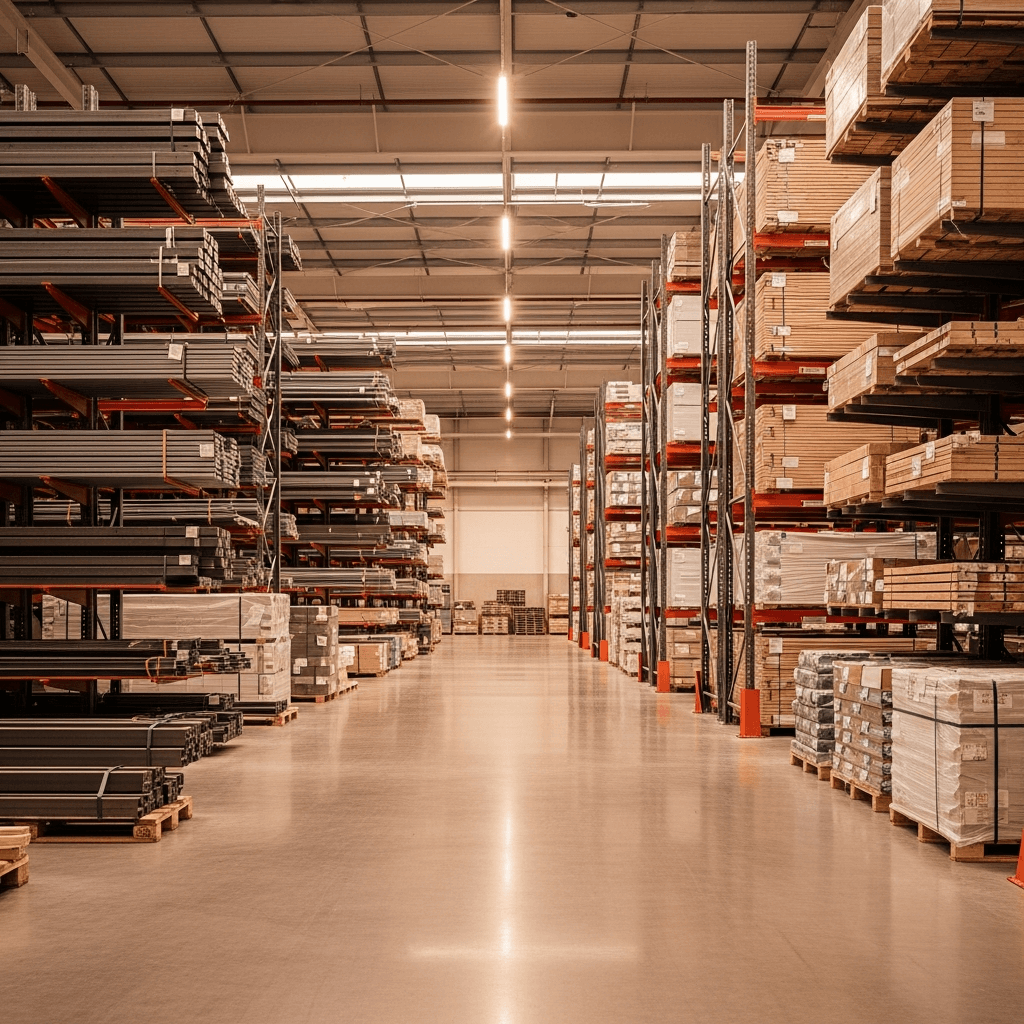
Real lock-in looks different. It involves forward-priced procurement contracts with manufacturers, ex-factory QA inspection, compliance certification managed at source, and logistics integrated with project program. The supply chain is controlled at the source, not at the local trade-supplier layer where the volatility lives.
For Brisbane and Gold Coast developers with the next 6 to 12 months of pipeline locking down now, this is the procurement model that meets the moment. It captures current pricing on internationally-sourced packages, removes exposure to escalating local input costs, and integrates with the construction program rather than racing it.
Onyx in the Brisbane market
Onyx Supply Co is based in Morningside, in Brisbane's inner-east, and we have purpose-built our procurement model around the kind of project economics the South-East Queensland market needs in 2026 and 2027. Our typical engagement begins with a specification review, runs a value-engineering pass on the cost-sensitive packages, and locks in supply through our vetted international manufacturer network — with full Australian compliance and program integration.
For developers who plan to break ground inside the next 12 months, the procurement decision made in the next 60 days will define the project's cost outcome. The window RLB called out is a real one. The right partner can help you use it.
Want this analysis applied to your project?
Send us your specification and we'll come back with a cost-opportunity report — the same first step every Onyx engagement runs.